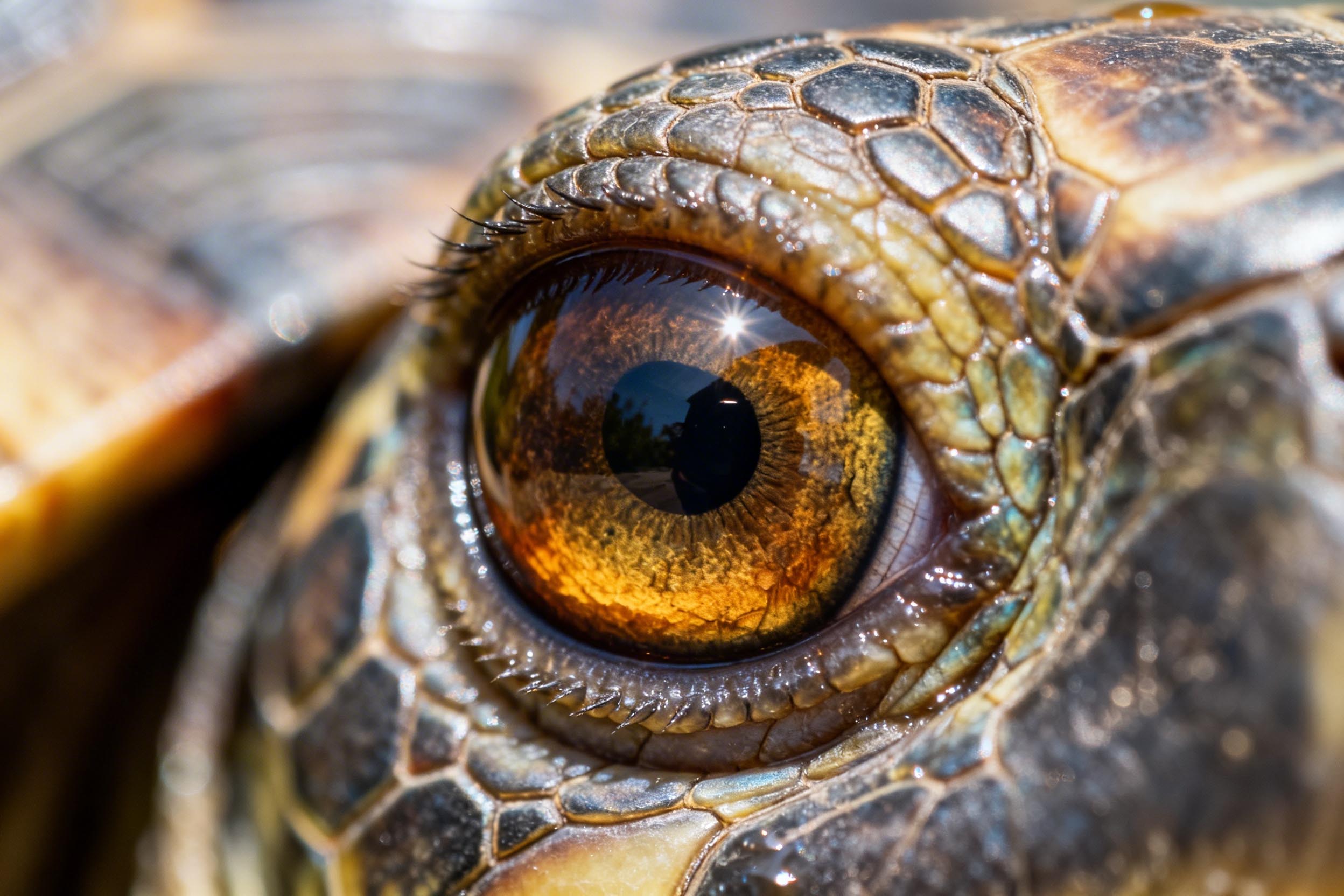
Metabolic bone disease (MBD) is the most common nutritional disease in captive reptiles, and turtles are among its most frequent victims. It is caused by an imbalance in calcium, phosphorus, and vitamin D3 — almost always because the turtle is not getting enough UVB light.
The disease develops slowly, over weeks or months. By the time the shell looks visibly deformed, significant damage has already occurred. This guide explains what MBD is, how to recognize it early, and how to prevent it from happening in the first place.
What Metabolic Bone Disease Is
Metabolic bone disease is not a single disease. It is a group of conditions that all stem from the same underlying problem: the turtle's body cannot maintain adequate calcium levels in its bones.
In a healthy turtle, calcium is absorbed from food in the intestine, transported into the bloodstream, and deposited into bones and the shell. This process requires vitamin D3, which the turtle synthesizes in its skin when exposed to UVB light.
When any part of this chain breaks down — inadequate UVB, inadequate dietary calcium, or an imbalance in phosphorus — the turtle's body pulls calcium out of its bones to maintain blood calcium levels. The bones and shell lose calcium, becoming soft and deformed. This is metabolic bone disease.
Causes: The Calcium-Vitamin D3 Connection
1. Lack of UVB lighting. This is the single most common cause of MBD in captive turtles. Without UVB, the turtle cannot synthesize vitamin D3, and without vitamin D3, it cannot absorb calcium. A turtle kept indoors without a UVB bulb will develop MBD even if its diet is perfect.
2. Inadequate dietary calcium. A diet lacking in calcium-rich foods (or lacking calcium supplementation) contributes to MBD. This is especially common in turtles fed only iceberg lettuce or a poor-quality commercial diet.
3. Calcium-to-phosphorus imbalance. The ideal calcium-to-phosphorus ratio in a turtle's diet is approximately 2:1. A diet high in phosphorus (meats, grains, some vegetables) can prevent calcium absorption even if calcium is present.
4. Vitamin D3 deficiency. Some turtles cannot synthesize enough D3 even with UVB, particularly if the UVB bulb is old, mounted too far away, or blocked by glass or mesh.
5. Kidney or liver disease. Organ disease can interfere with vitamin D3 activation and calcium metabolism, but this is less common than the nutritional and lighting causes.
Symptoms and Stages
Early stage (reversible):
- The shell feels slightly soft or rubbery, especially along the edges.
- The plastron (bottom shell) flexes when gently pressed.
- The shell may look slightly uneven or have a mild curvature.
- The turtle is otherwise active and eating normally.
Moderate stage (partially reversible):
- The shell is visibly soft and deformed.
- Pyramiding (raised scutes) or an uneven carapace.
- The turtle may be reluctant to walk or move normally.
- Reduced appetite or difficulty eating.
Severe stage (often permanent):
- Rubbery jaw — the jaw becomes soft and flexible.
- Severe shell deformation (curled edges, flat or sunken areas).
- Inability to walk or support its own weight.
- Fractures from normal movement.
- Refusal to eat, severe lethargy.
If you see any of the early signs, act immediately. MBD progresses faster than most keepers expect.
Treatment
Treatment depends on the stage of the disease. All treatment plans should be overseen by a reptile veterinarian.
1. Correct the lighting immediately. Install a fresh UVB bulb (5.0 or 10.0) mounted at the correct distance from the basking area. Replace any bulb that has been in use for more than 6 to 9 months. See our UVB guide for details.
2. Supplement calcium. Offer a calcium source (cuttlebone, calcium block, or calcium powder) two to three times per week. For severe cases, a vet may administer injectable calcium.
3. Correct the diet. Increase calcium-rich foods and ensure the calcium-to-phosphorus ratio is approximately 2:1. See our diet guide for specifics.
4. Provide proper basking. The turtle must be able to bask under UVB and heat. If the basking platform is too small, too slippery, or too cold, the turtle will not use it — and treatment will fail.
5. Veterinary care. For moderate to severe cases, a vet may:
- Administer injectable calcium and vitamin D3.
- Prescribe oral calcium supplements.
- Recommend a specific diet and supplementation plan.
- Provide supportive care for turtles that are not eating.
6. Be patient. Recovery takes months. Early-stage MBD can reverse completely, but moderate to severe deformation is often permanent. The goal of treatment is to stop the disease from progressing and to support the turtle's quality of life.
Prevention
MBD is almost entirely preventable. The following steps will prevent it in virtually every case:
- Provide UVB lighting. A fresh 5.0 or 10.0 UVB bulb, mounted at the correct distance, on for 10–12 hours daily. Replace every 6–12 months. See our UVB guide.
- Supplement calcium. Cuttlebone, calcium block, or calcium powder, two to three times per week.
- Feed a balanced diet. Calcium-rich greens, commercial pellets, and a calcium-to-phosphorus ratio of approximately 2:1. See our diet guide.
- Provide proper basking. A stable platform under UVB and heat, large enough for the turtle to dry off completely.
- Monitor the shell. Check the shell weekly. A soft shell is the earliest sign of MBD — catching it early makes treatment much easier.
Frequently Asked Questions
What is metabolic bone disease in turtles?
Metabolic bone disease (MBD) is a group of conditions caused by an imbalance in calcium, phosphorus, and vitamin D3. In turtles, it most often results from a lack of UVB lighting, which prevents the turtle from synthesizing vitamin D3 and absorbing calcium. The body then pulls calcium from the bones and shell, causing them to soften and deform.
What are the early signs of metabolic bone disease in turtles?
Early signs include a soft or rubbery shell, especially along the edges, and a slight curvature or unevenness in the carapace. The plastron (bottom shell) may flex when pressed. As the disease progresses, the shell becomes visibly deformed, the jaw may become soft (rubbery jaw), and the turtle may have difficulty walking or eating.
Can metabolic bone disease be reversed?
Early-stage MBD can often be reversed with aggressive UVB, calcium supplementation, and dietary correction. Once the shell has deformed, the shape is usually permanent, but the underlying disease can still be stopped from progressing. Severely deformed turtles can live long, comfortable lives with proper care.
How do I prevent metabolic bone disease in my turtle?
Provide a UVB bulb (5.0 or 10.0) mounted at the correct distance over the basking area, replaced every 6 to 12 months. Offer a calcium-rich diet with calcium supplementation two to three times per week. Ensure the calcium-to-phosphorus ratio in the diet is approximately 2:1. Maintain proper basking and water temperatures.
What is a rubbery jaw in turtles?
A rubbery jaw is a late-stage sign of metabolic bone disease. The jaw becomes soft and flexible because the bone has lost calcium. The turtle may be unable to bite or chew properly, which leads to malnutrition. A rubbery jaw is a serious sign that requires immediate veterinary attention.
Final Thoughts
Metabolic bone disease is one of the most tragic conditions in captive turtles — not because it is difficult to treat, but because it is so easy to prevent. A proper UVB bulb, calcium supplementation, and a balanced diet are all it takes to keep a turtle's shell hard and healthy for life.
If you take one thing from this article: UVB is not optional. It is the single most important piece of equipment in a turtle enclosure, and it is the difference between a turtle that thrives and one that develops a preventable, painful, and often permanent disease.
For more on turtle health, see our UVB guide and our diet guide.
Sources & References
- Mader, D. R. (2005). Reptile Medicine and Surgery (2nd ed.). Saunders Elsevier.
- Klaphake, E. (2010). A fresh look at metabolic bone disease in reptiles and amphibians. Veterinary Clinics of North America: Exotic Animal Practice, 13(3), 375–387.
- Carpenter, J. W. (2013). Exotic Animal Formulary (4th ed.). Elsevier Saunders.
- Merck Veterinary Manual. Diseases of Reptiles. Retrieved 2026.
- Association of Reptilian and Amphibian Veterinarians (ARAV). Metabolic bone disease in reptiles. Retrieved 2026.