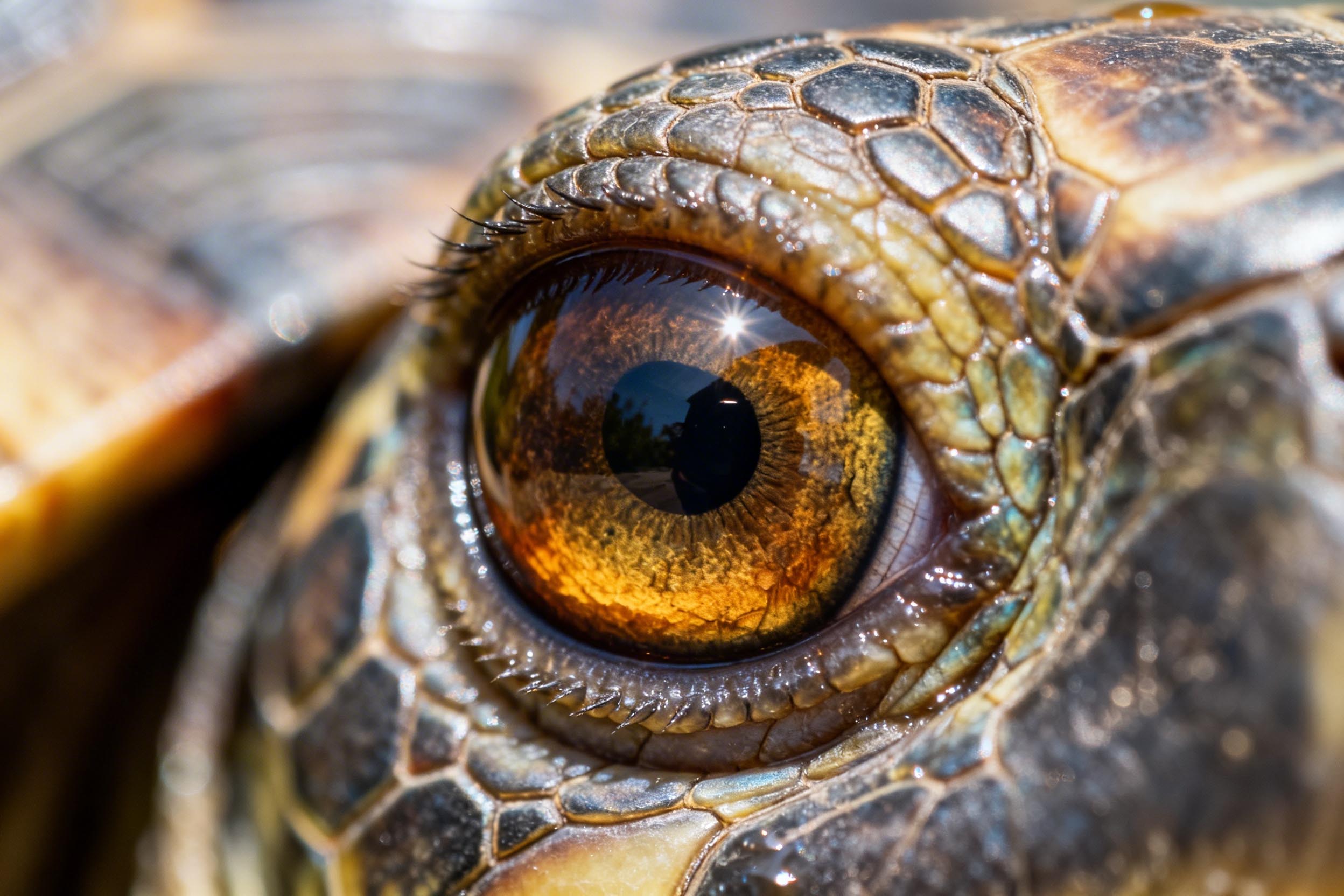
An outdoor pond is the closest thing to a natural habitat you can give a captive turtle. Sunlight, natural temperature cycles, live plants, and space to swim — all of these contribute to better health, stronger shells, and more natural behavior than any indoor tank can provide.
But an outdoor pond also comes with risks: predators, temperature extremes, escape, and water quality challenges that do not exist indoors. This guide covers how to build a pond that is safe, functional, and suitable for long-term turtle keeping.
Which Turtles Can Live Outdoors
Not all turtles are suitable for outdoor ponds. The key factor is climate of origin.
Temperate species (suitable for outdoor ponds in mild climates):
- Red-eared slider
- Painted turtle
- Chinese pond turtle (Reeves' turtle)
- European pond turtle
- Musk turtle (hardy but prefers shallower water)
- Hermann's tortoise (land enclosure, not a pond)
Tropical species (NOT suitable for outdoor ponds in cool climates):
- Red-footed tortoise
- Sulcata tortoise
- Most softshell turtles
- Pig-nosed turtle
If you live in a climate where winter temperatures drop below freezing for extended periods, even temperate species may need to be brought indoors for the coldest months — or the pond must be deep enough to allow the turtles to retreat below the frost line.
Pond Size and Depth
Water volume: for a single adult red-eared slider or similar species, at least 100 gallons of water. A 200 to 500-gallon pond is ideal for one or two turtles. Bigger is always better — a larger pond is more stable, easier to filter, and provides more natural behavior.
Depth: 18 to 24 inches minimum for temperate species. Deeper is better, especially in climates with cold winters — the turtles need to be able to retreat below the frost line. In mild climates, 24 to 36 inches is ideal.
Surface area: the pond should provide at least as much land area as water surface. Turtles need to be able to leave the water completely, and they need space to walk, dig, and bask.
| Number of Turtles | Minimum Water Volume | Recommended | Depth |
|---|---|---|---|
| 1 adult | 100 gal | 200–300 gal | 18–24 in |
| 2 adults | 200 gal | 300–500 gal | 24 in |
| 3–4 adults | 400 gal | 500–1000 gal | 24–36 in |
Construction: Liner and Edging
Liner material. Use EPDM rubber liner, 45 mil thickness or more. It is durable, fish-safe, and resistant to UV degradation. PVC liners are cheaper but degrade faster in sunlight. Do not use treated lumber or unsealed concrete — both can leach chemicals into the water.
Excavation. Dig the hole to the desired shape and depth, with sloped sides to prevent collapse. Remove all sharp objects (roots, rocks) from the bottom and sides. Add a 1 to 2-inch layer of sand or underlayment to protect the liner.
Liner installation. Lay the liner loosely over the hole, allowing it to conform to the shape. Fill with water slowly — the weight of the water will pull the liner into place. Trim excess liner, leaving at least 12 inches of overlap around the perimeter.
Edging. Cover the liner edge with flat stones, bricks, or buried turf. The edging serves two purposes: it hides the liner, and it prevents turtles from climbing out. Turtles are excellent climbers — if the edge is low and accessible, they will escape.
Escape prevention. The pond rim must be at least 12 inches above the water level, with a smooth, overhanging edge that turtles cannot grip. Some keepers add a low wire fence around the perimeter as a backup.
Filtration and Water Quality
Outdoor ponds accumulate waste just like indoor tanks. Without filtration, the water will turn green, ammonia will spike, and the turtles will get sick.
Pond filter: use a filter rated for at least 2x the pond's water volume. For a 300-gallon pond, choose a filter rated for 600 gallons or more. Pressurized canister pond filters work well for medium ponds; larger ponds may need a multi-stage filter system.
Bog filter: an excellent addition to any turtle pond. A bog filter is a shallow, gravel-filled area planted with marginal plants (irises, cattails, pennywort) that absorb nitrates from the water. The water is pumped through the bog and returned to the pond. This natural filtration reduces maintenance dramatically.
Water changes: even with strong filtration, do 10 to 25% water changes every 2 to 4 weeks. Test ammonia, nitrite, and nitrate regularly, especially in the first few months after setup.
Plants: add aquatic plants to the pond — water lilies, duckweed, Elodea, and marginal plants around the edges. Plants absorb nitrates, provide cover, and add oxygen. Turtles will eat some of them, so choose fast-growing species.
Basking and Land Area
Basking is essential for outdoor turtles. In the wild, they spend hours each day on logs, rocks, and banks, warming their bodies and drying their shells.
Basking areas: provide at least two basking spots — one in full sun for morning, and one with partial shade for midday. Rocks, logs, and wooden ramps all work. The surface should be rough enough for the turtle to grip.
Land area: at least as much land as water surface. The land area should include:
- Basking spots in sun and shade
- A nesting area for females (a mound of sand or soft soil)
- Hiding places (bushes, rock piles, half-buried pots)
- A shallow entry slope into the water
Natural sunlight. One of the biggest advantages of an outdoor pond is unfiltered natural sunlight. UVB from the sun is more effective than any artificial bulb. Provide shaded areas so turtles can regulate their exposure.
Predator Protection
Protection methods:
- Wire mesh cover. The most reliable option. Use 1-inch galvanized wire mesh, supported by a frame, over the entire pond. This prevents raccoons from reaching in and herons from landing.
- Raised rim. A rim at least 12 inches above the water level, with a smooth overhanging edge, prevents climbing predators.
- Perimeter fence. A fence around the pond area, sunk at least 12 inches into the ground, prevents digging predators.
- Motion-activated lights or sprinklers. Can deter raccoons and herons, but are not reliable alone.
- Cover plants. Dense marginal plants around the pond give turtles cover from above.
Raccoons are the most dangerous predator for outdoor turtles. They are intelligent, persistent, and capable of reaching into ponds to grab turtles. A wire mesh cover is the only reliable protection.
Winter Planning
Winter is the most challenging season for outdoor turtle ponds. How you handle it depends on your climate and the species you keep.
Mild climates (temperatures rarely below freezing): temperate turtles can overwinter in the pond if it is deep enough. They will brumate at the bottom. Ensure the pond does not freeze over completely — use a pond de-icer or aerator to keep a hole open in the ice for gas exchange.
Cold climates (temperatures regularly below freezing): the pond may freeze solid. Even if the pond is deep enough, turtles may not survive. Options include:
- Bring the turtles indoors for winter and overwinter them in a cool indoor tank (see our hibernation guide)
- Build a pond deep enough (36+ inches) to stay unfrozen at the bottom
- Use a pond heater to keep the water above freezing
- Install a pond cover or greenhouse structure over the pond
Do not feed turtles in winter. If the water temperature drops below 15°C (59°F), stop feeding. Food will not be digested and can rot in the gut, causing serious illness.
Pre-Build Checklist
Before You Dig
- Confirm your species is suitable for outdoor keeping in your climate
- Check local regulations — some areas restrict keeping non-native turtles outdoors
- Choose a location with 6+ hours of sun and some afternoon shade
- Ensure the location is away from runoff, pesticides, and lawn chemicals
- Plan for electrical access (pump, filter, de-icer)
- Confirm the pond is at least 18–24 inches deep
- Plan for predator protection (mesh cover, raised rim, fence)
- Plan for winter (indoor tank, pond heater, or deep pond)
- Budget for ongoing costs (electricity, water changes, replacement plants)
Frequently Asked Questions
How big should an outdoor turtle pond be?
For a single adult red-eared slider or similar species, the pond should hold at least 100 gallons of water and provide a land area at least as large as the water surface. Larger is always better — a 200 to 500-gallon pond is ideal for one or two turtles. Depth should be 18 to 24 inches minimum.
What liner should I use for a turtle pond?
Use EPDM rubber liner (45 mil thickness or more). It is durable, fish-safe, and resistant to UV damage. Avoid PVC liners, which degrade faster in sunlight, and never use treated wood or concrete that has not been properly sealed.
Can I keep turtles outdoors year-round?
It depends on the species and your climate. Temperate species like red-eared sliders, painted turtles, and Chinese pond turtles can overwinter outdoors in climates where the pond does not freeze solid. Tropical species must be brought indoors. Even for temperate species, the pond must be at least 18 to 24 inches deep.
How do I protect outdoor turtles from predators?
Predators are the biggest risk for outdoor turtles. Raccoons, herons, foxes, dogs, and cats can all take turtles. Use a wire mesh or net cover over the pond, or build a raised rim that predators cannot climb. Secure the perimeter with fencing sunk at least 12 inches into the ground.
Do I need a filter for an outdoor turtle pond?
Yes. Outdoor ponds accumulate waste just like indoor tanks. Use a pond filter rated for at least 2x the pond's water volume, and consider adding a bog filter with marginal plants to absorb nitrates naturally. Water changes of 10 to 25% should still be done every 2 to 4 weeks.
Final Thoughts
An outdoor pond is one of the most rewarding things you can build for a temperate turtle. It provides natural sunlight, space, and a life that is closer to what the animal would experience in the wild. But it comes with real risks — predators, winter, water quality — that must be planned for.
If you live in a suitable climate and can commit to the setup and maintenance, an outdoor pond will transform your turtle's life. If not, a well-designed indoor tank is still an excellent home.
For more on setup, see our tank setup guide and our hibernation guide.
Sources & References
- Ernst, C. H., & Lovich, J. E. (2009). Turtles of the United States and Canada (2nd ed.). Johns Hopkins University Press.
- Mader, D. R. (2005). Reptile Medicine and Surgery (2nd ed.). Saunders Elsevier.
- Merck Veterinary Manual. Management and Husbandry of Reptiles. Retrieved 2026.
- Association of Reptilian and Amphibian Veterinarians (ARAV). Husbandry guidelines for captive chelonians. Retrieved 2026.
- Highfield, A. C. (2000). Practical Encyclopedia of Keeping and Breeding Tortoises and Freshwater Turtles. Carapace Press.