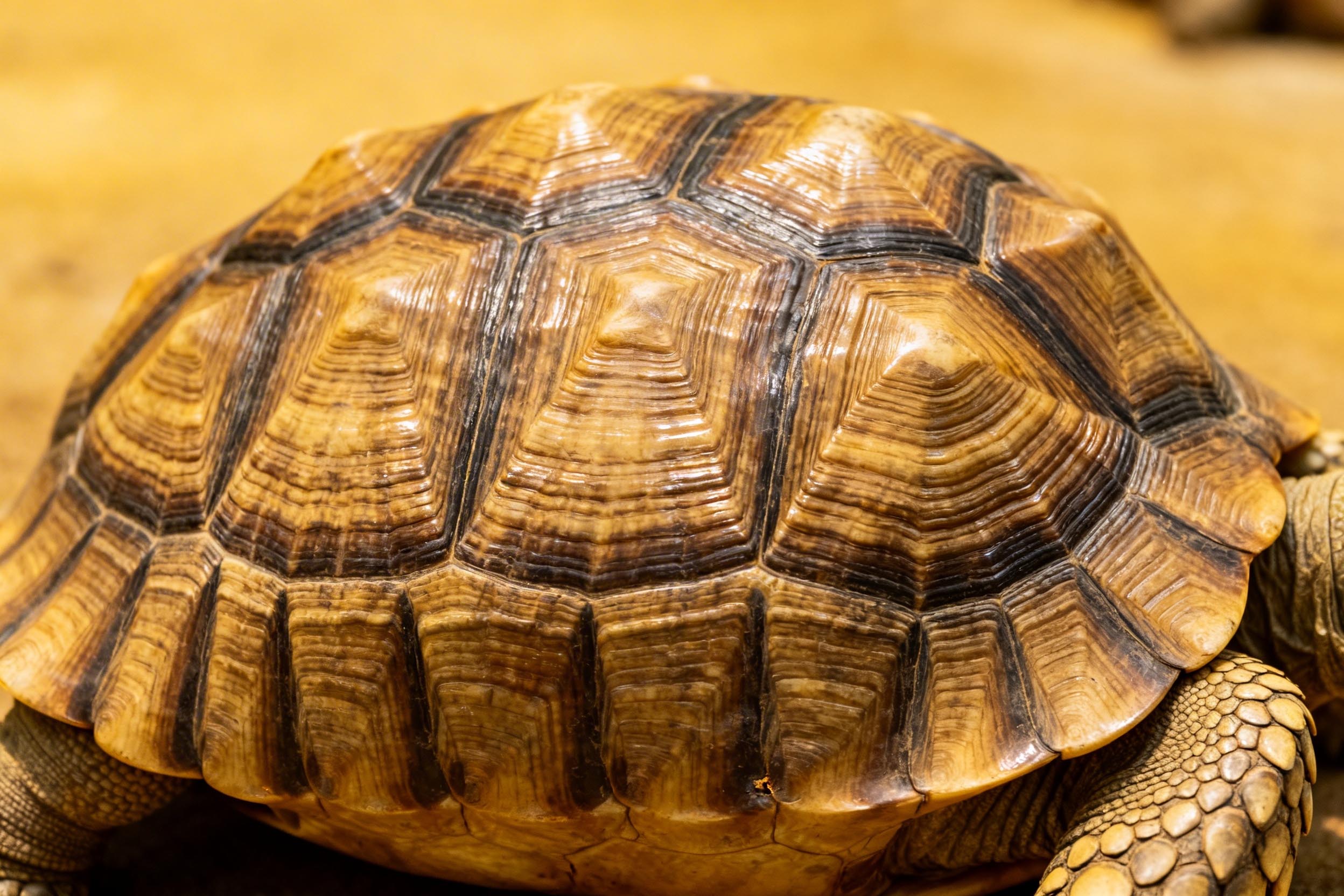
Common Tortoise Diseases: Prevention and Treatment
2026-03-08
8k reads
Aiguigu
Tortoises are hardy, but improper care can lead to various diseases. Knowing symptoms, prevention, and treatment is essential for every owner. Here are the most common tortoise ailments.
1. Respiratory Infections
Symptoms: Nasal discharge, open-mouth breathing, wheezing, lethargy, loss of appetite.
Causes: Low temperatures, sudden temperature drops, poor ventilation. Common in winter.
Prevention: Maintain stable temps (basking 32-35°C, cool end 24°C+), avoid drafts, provide good airflow.
Treatment: Raise temperature to 28-30°C constant. Use reptile-safe antibiotics (e.g., enrofloxacin) if persistent; vet visit for severe cases.
2. Bladder Stones
Symptoms: Straining to defecate, hind limb weakness, blood in urine, loss of appetite.
Causes: Dehydration, high-protein diet, calcium-phosphorus imbalance, lack of exercise. Common in Sulcatas.
Prevention: Ensure hydration (daily soaks), high-fiber low-protein diet, correct calcium:phosphorus ratio (2:1).
Treatment: Mild cases: increase soaks, gentle massage. Surgery needed for large stones – consult a vet.
3. Shell Rot & Fungal Infections
Symptoms: White/yellow/black spots on shell, soft areas, foul odor. Advanced: shell erosion.
Causes: High humidity, dirty substrate, injuries. Prolonged contact with wet bedding.
Prevention: Keep enclosure clean, use well-draining substrate, provide dry basking areas.
Treatment: Disinfect with iodine, apply antibiotic ointment (e.g., silver sulfadiazine), dry-dock. Severe cases need debridement and oral antibiotics.
4. Parasites
Symptoms: Weight loss, increased appetite but no weight gain, visible worms in feces.
Causes: Contaminated food/water, contact with wild tortoises or soil.
Prevention: Quarantine new tortoises, wash food, keep water clean.
Treatment: Fecal exam and appropriate dewormer (fenbendazole, metronidazole) prescribed by vet.
5. Metabolic Bone Disease (Soft Shell)
Symptoms: Soft, deformed shell; weak limbs; rubbery jaw.
Causes: Lack of UVB (no vitamin D3 synthesis), calcium deficiency, imbalanced Ca:P ratio.
Prevention: Provide UVB lighting 10-12 hours daily, supplement calcium with D3, offer cuttlebone.
Treatment: Severe cases need injectable calcium/vitamin D3 from vet, plus corrected lighting/diet.
6. Eye Infections
Symptoms: Swollen eyelids, discharge, unable to open eyes.
Causes: Vitamin A deficiency, dry environment, bacterial infection.
Prevention: Varied diet with vitamin A-rich foods (carrots, squash), proper humidity.
Treatment: Clean with saline, apply reptile eye drops or chloramphenicol 3-4 times daily.
Summary
Prevention is key. Stable environment, balanced diet, proper lighting, and regular observation are your best tools. Early detection and prompt treatment save lives. Always consult an exotic vet when in doubt.